


SGA the "Free Throw Merchant" and the U.C.C. Merchant Trap

The NBA Western Conference Finals have delivered plenty of drama. After San Antonio's convincing Game 6 victory over Oklahoma City last night, the series is headed to a winner-take-all Game 7 on Saturday. One of the biggest storylines continues to be Oklahoma City star and two-time reigning NBA MVP Shai Gilgeous-Alexander, who has once again found himself at the center of the "free throw merchant" debate.
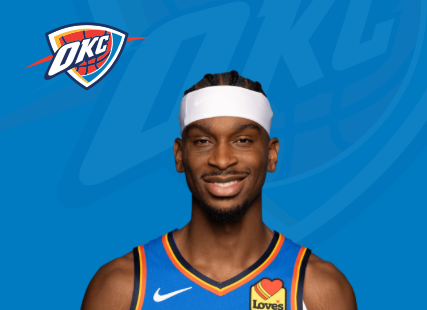
If you've spent any time on NBA social media, you've probably heard the nickname. A "free throw merchant" is a player who seems exceptionally skilled at getting to the free-throw line, whether by drawing contact, creating fouls, or taking advantage of defenders' mistakes. Critics often use the term to suggest that a player is "selling" fouls to officials and earning trips to the line. The nickname has become closely associated with Gilgeous-Alexander, who has built a reputation as one of the NBA's most effective foul drawers.
Interestingly, the nickname, justified or not, works on two levels. NBA fans call SGA a "merchant" because they think he's selling fouls. Under Article 2 of the U.C.C., the word "merchant" has a very different meaning. And that's where some bar examinees get tripped up.
The Merchant Trap
When bar examinees hear the word "merchant," many immediately think of someone who sells goods.
That's partly right, but it's incomplete.
Under U.C.C. § 2-104, a merchant is a person who deals in goods of the kind or someone who, by occupation, holds himself or herself out as having knowledge or skill peculiar to the goods or practices involved in the transaction.
That second category is where many students get into trouble.
The definition is broader than simply asking whether a person owns a store or regularly sells products. In fact, many bar exam questions are designed to test whether you recognize that specialized knowledge or expertise can make someone a merchant even when they are not primarily in the business of selling goods.
The Car Mechanic Example
Suppose a car mechanic sells his personal vehicle.
Many students would immediately conclude that he is not a merchant because he does not sell cars for a living.
But not so fast.
A mechanic may qualify as a merchant with respect to automobiles because his profession gives him specialized knowledge and skill regarding cars. His occupational expertise may be enough to bring him within the U.C.C.'s merchant definition even though the vehicle being sold is his personal car.
Likewise, a farmer may be treated as a merchant when selling crops because of specialized knowledge regarding those goods. A computer technician may be a merchant regarding computer equipment. A jeweler may be a merchant regarding jewelry.
The question isn't just, "Is this person in the business of selling goods?"
The question is also, "Does this person possess specialized knowledge or skill relating to the goods or practices involved in the transaction?"
That's often the question the bar examiners want you to answer.
Why It Matters
The merchant designation is important because several U.C.C. rules apply specifically to merchants.
For example, the merchant's firm offer rule applies only when the offeror is a merchant. Merchant status also appears in battle-of-the-forms questions and other provisions that impose heightened commercial standards on those with specialized knowledge and expertise.
If you incorrectly conclude that a person isn't a merchant, you may miss the entire issue and head down the wrong path.
That's why it is important to avoid the shortcut definition that a merchant is simply "someone who sells goods."
Example
Suppose SGA purchases 500 basketballs during the offseason to practice his free throws. Once training camp begins, he realizes the basketballs are taking up too much space in his training facility, so he decides to sell them.
A dispute later arises over the sale.
Is SGA a merchant?
Many students would immediately say no because SGA is not in the business of selling basketballs.
But, remember, that's not necessarily the end of the analysis.
Under the U.C.C., a merchant isn't limited to someone who regularly sells goods. A merchant may also be someone who, by occupation, possesses specialized knowledge or skill relating to the goods involved in the transaction.
As one of the best basketball players in the world, SGA undoubtedly possesses specialized knowledge about basketballs and their use. Thus, even though this may be a one-time sale and he isn't a sporting goods retailer, he qualifies as a merchant with respect to the basketballs because of his professional expertise.
That's the merchant trap. Don't automatically ask whether the person sells goods for a living. Ask whether the person's profession gives them specialized knowledge or skill relating to the goods or practices involved in the transaction.


